 marygans
Agentic Identity Security
an AI-Native design workflow, continuous human–AI collaboration for enterprise security
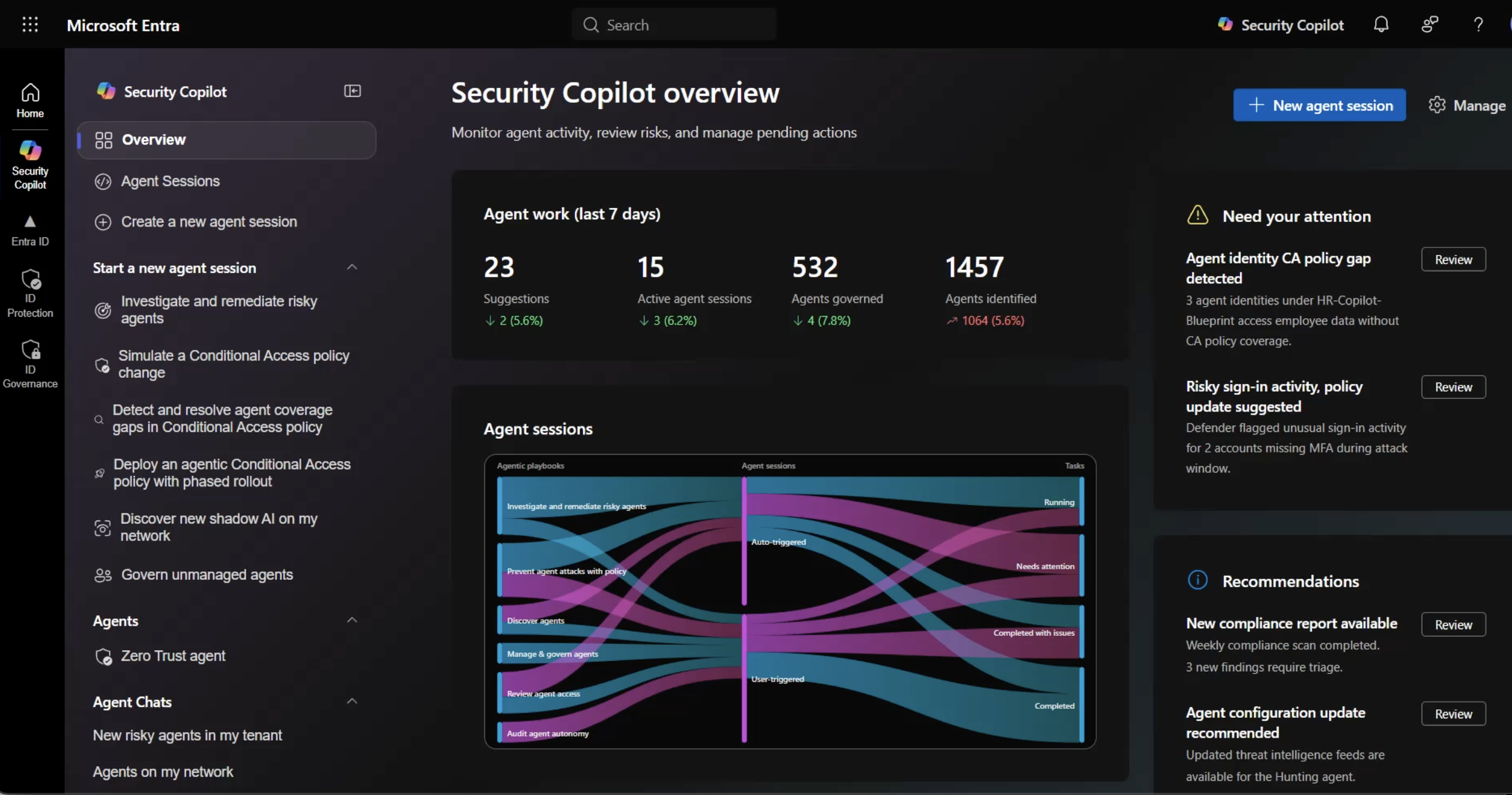
The Challenge
Security administrators spent too much time switching between disconnected tools to investigate alerts, understand impact, and coordinate remediation.
The result was slower response times, fragmented context, and increased risk when making high-impact security decisions.
Project Goal
Design a continuous human–AI workflow where autonomous agents investigate identity risk, execute delegated tasks, and collaborate with administrators through shared artifacts.
Human + AI Collaboration
Perception introduces a collaborative operating model for enterprise security. Autonomous agents continuously monitor the environment, investigate emerging risks, and execute delegated actions within approved permissions. When judgment is required, they generate shared artifacts that administrators can review, refine, and approve before remediation.
AI Investigation
AI analyzes identity relationships, policy dependencies, and security signals to surface meaningful patterns across the environment.
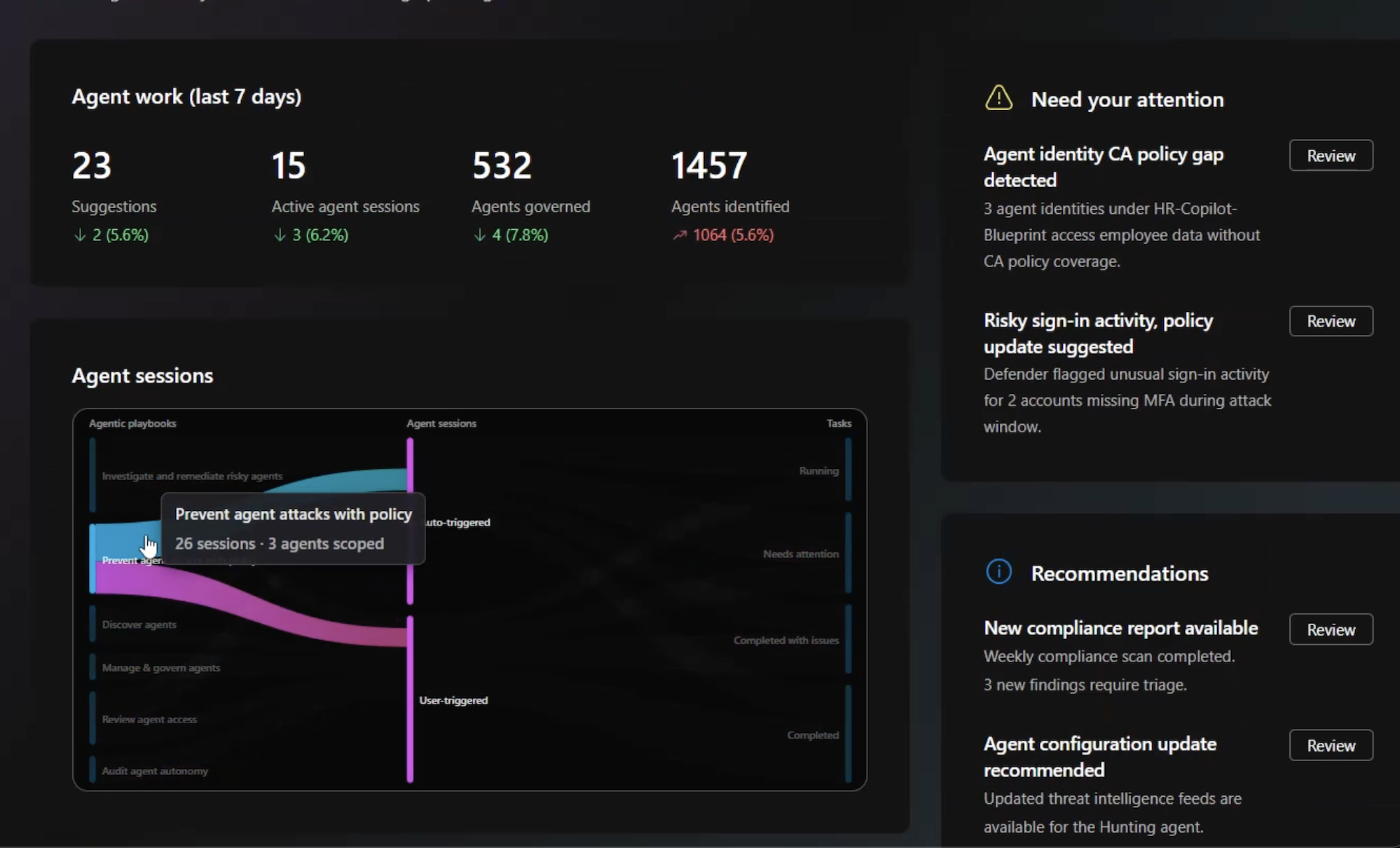
The user can click the Review button to move from AI investigation into the human review stage.
That handoff keeps the recommendation, supporting signals, and surrounding context intact so administrators can evaluate what needs attention before taking action.
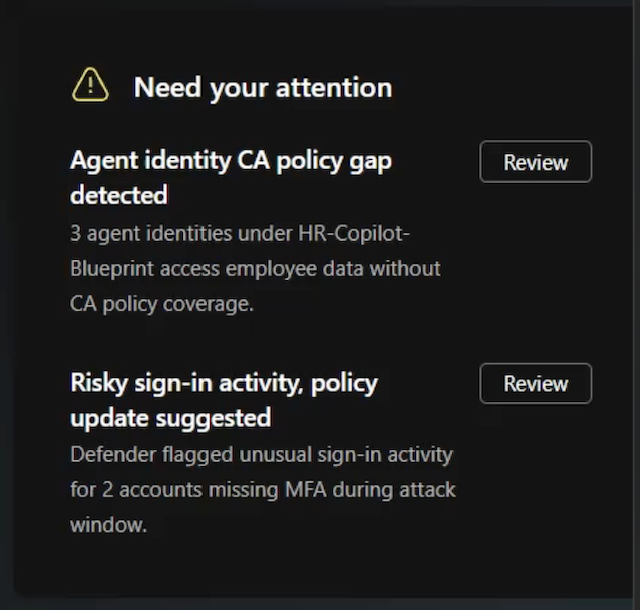
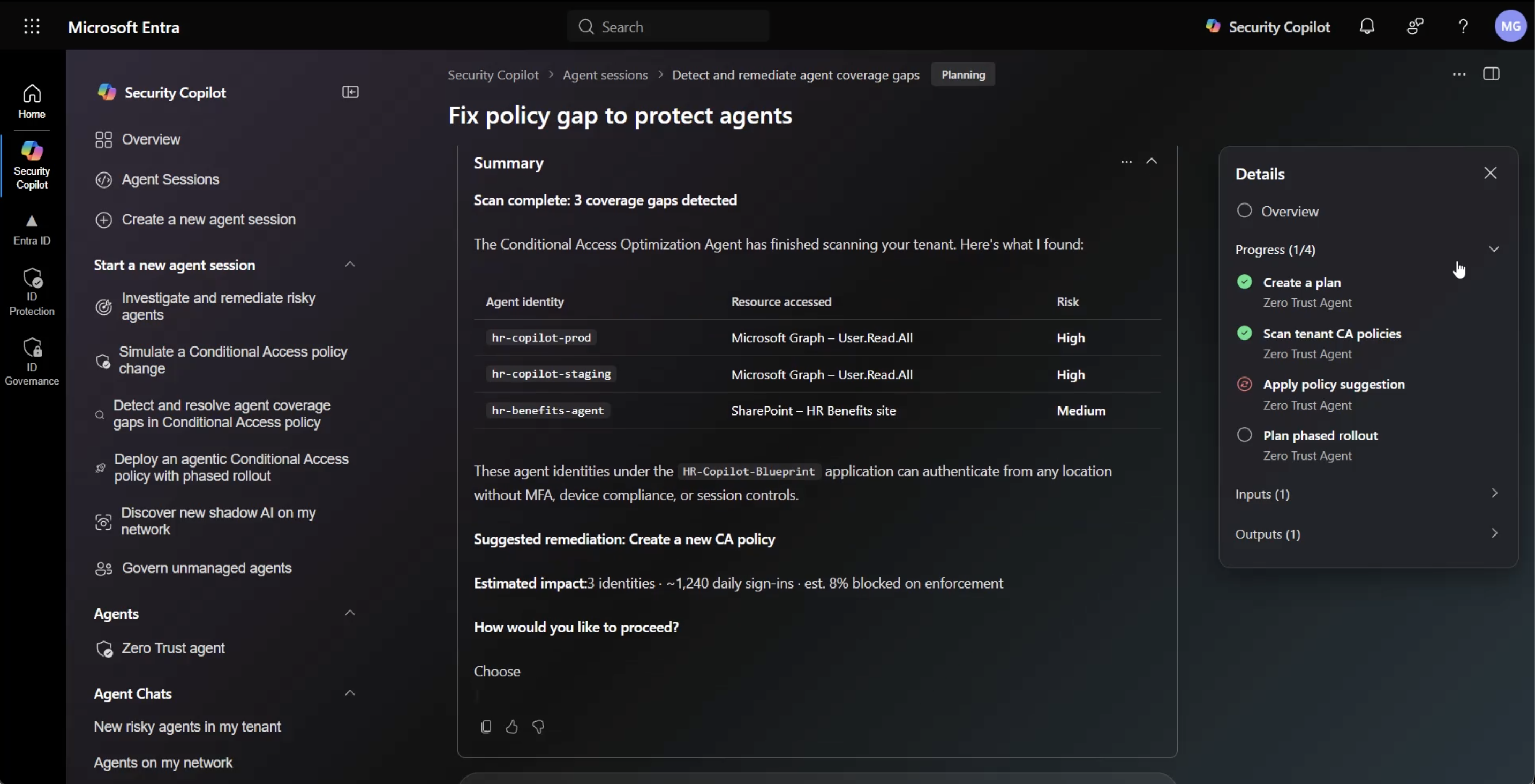
Zero Trust Agent Summary of Findings
The Zero Trust agent summarizes the detected policy gap, explains why it matters, and provides a recommendation for the safest next step.
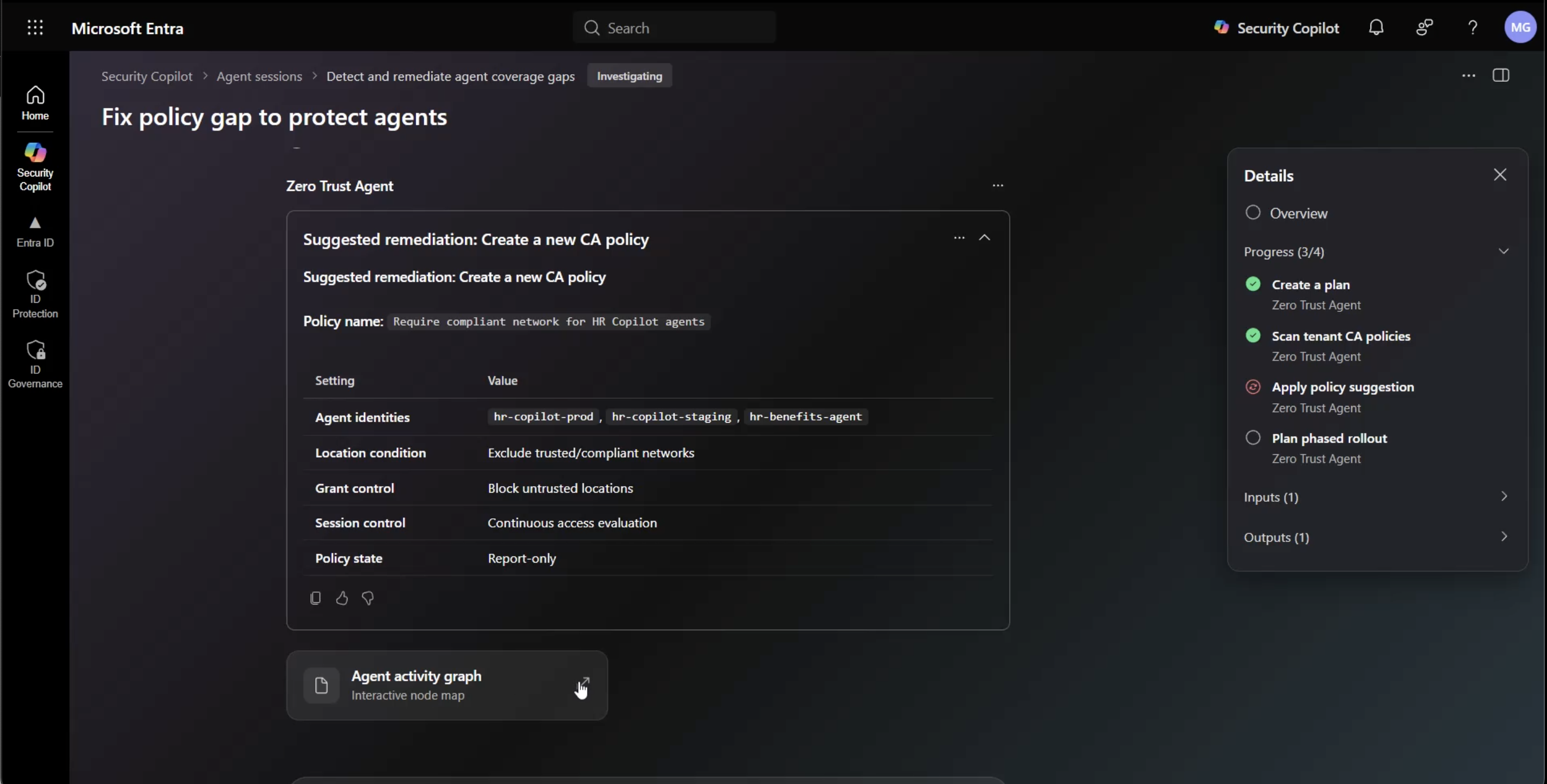
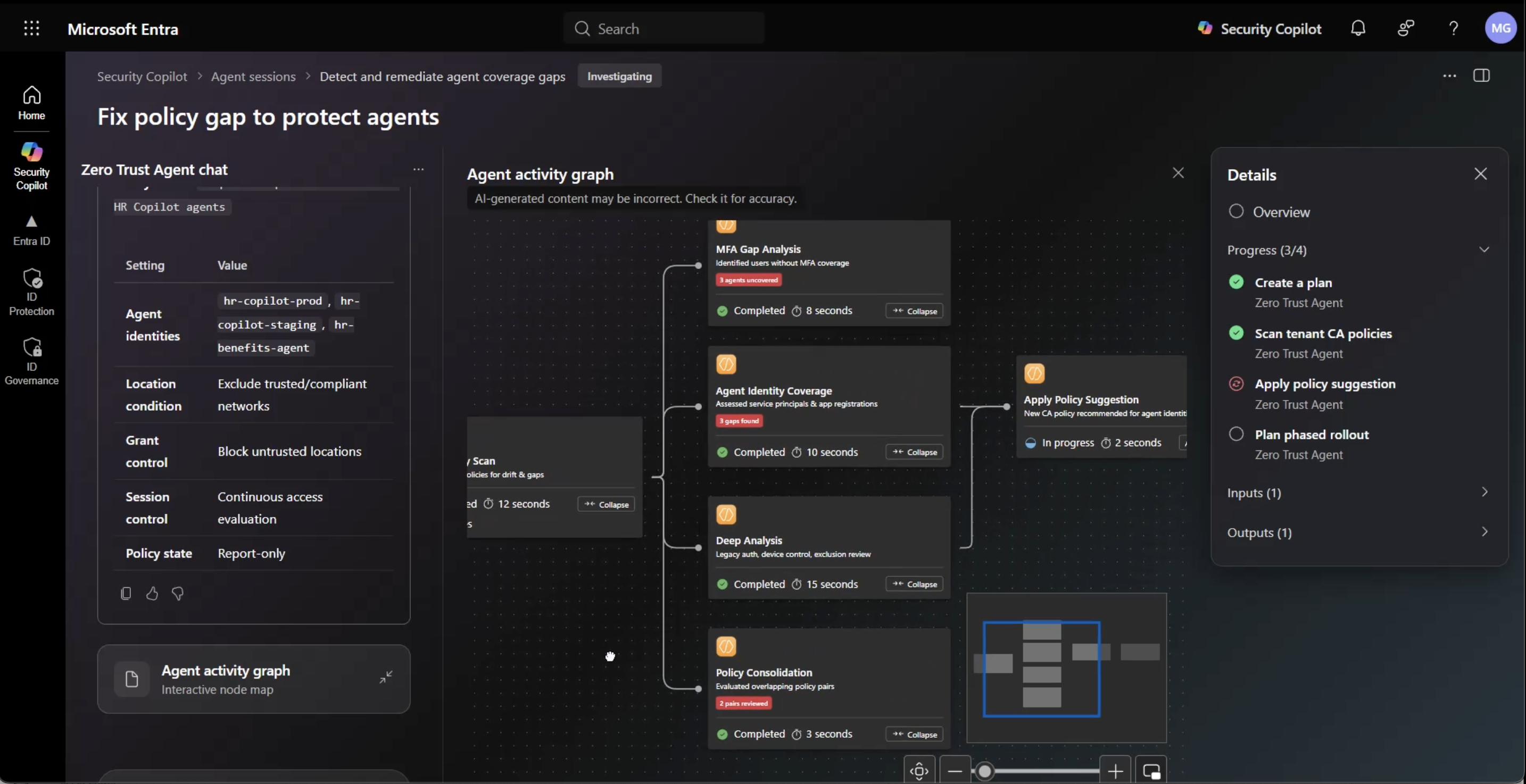
Human Audit
Administrators can inspect the Zero Trust agent’s work, review the evidence and relationships behind the recommendation, and verify that the reasoning aligns with organizational policy before moving forward.
Shared Decision Making
Once the recommendation has been reviewed, Perception shifts from analysis to action by framing remediation as a shared decision.
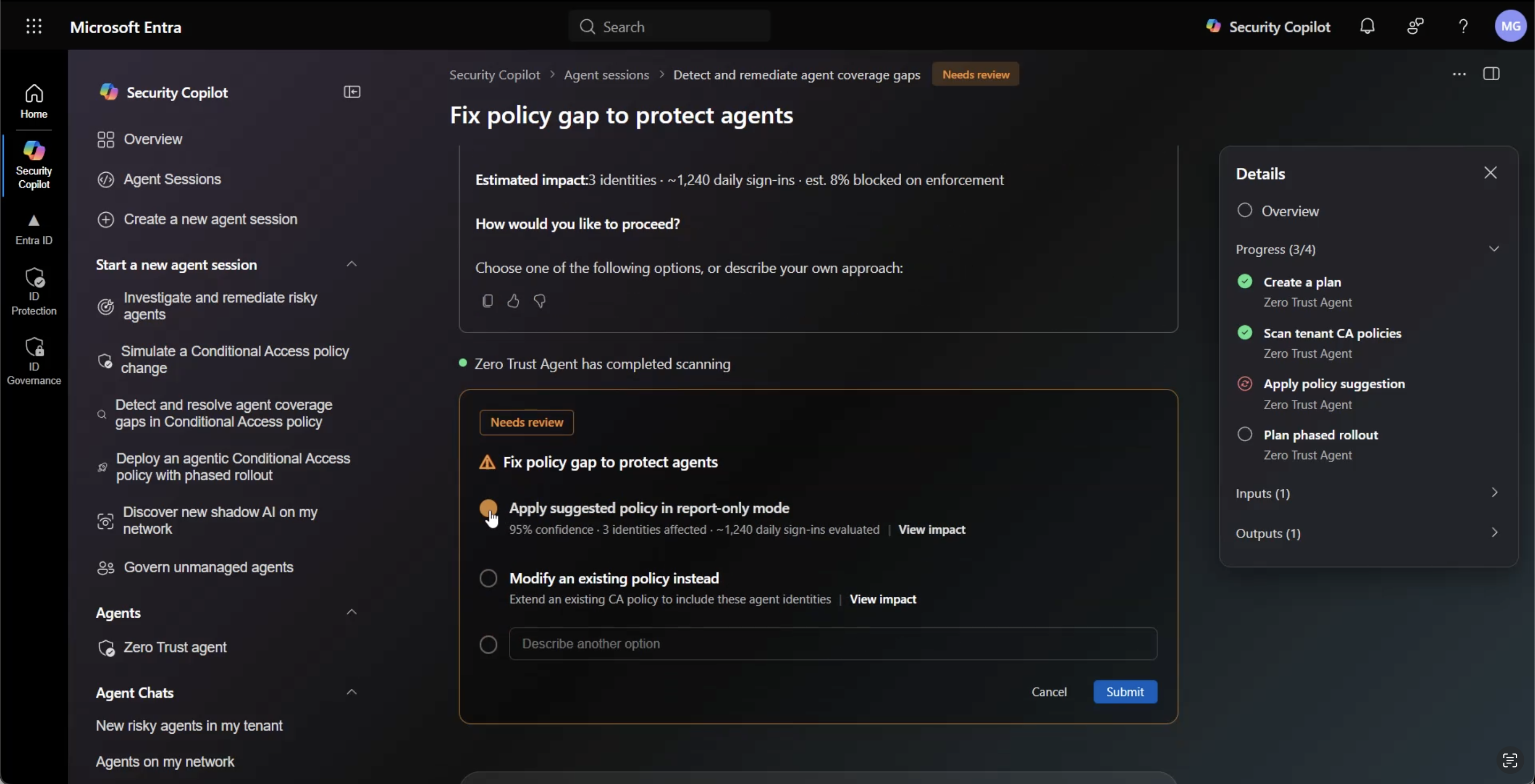
The system proposes the best next step, estimates the likely impact, and gives administrators clear options before anything changes in the environment.
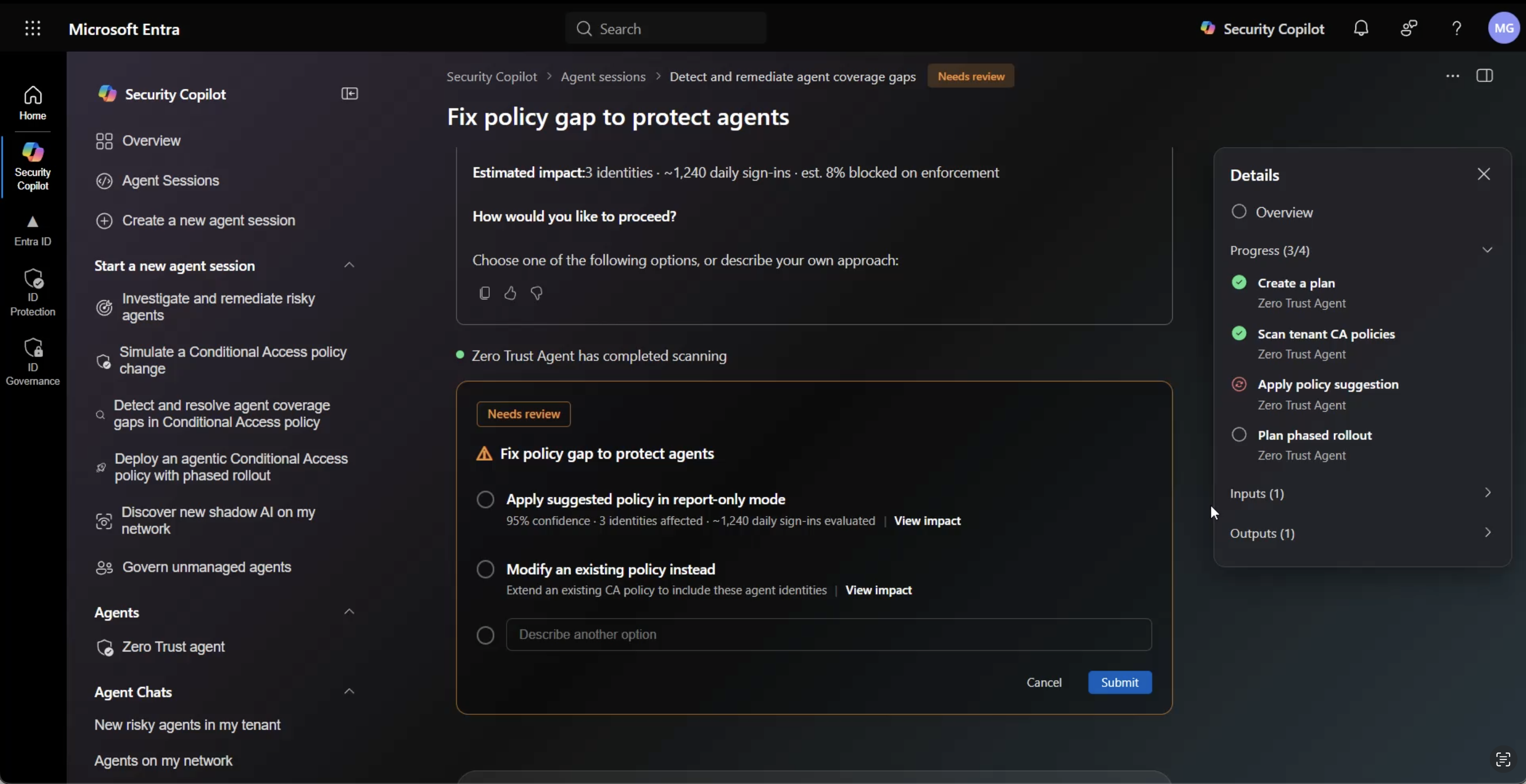
From there, administrators can follow the suggested path or adjust the approach based on operational context, policy requirements, or risk tolerance.
Verification Loop
After remediation, AI continuously monitors the environment and reports whether the intended security outcome was achieved.
End-to-End Demo
Outcome
Perception launched Microsoft Security–wide, establishing a workflow pattern that connected investigation, decision support, and remediation execution in one coherent experience.
- Cut prototyping-to-customer-feedback time by 75% for the designers and PMs building on this pattern, enabling 3–5 customer sessions a week
- Shipped MVP features on a two-week cycle from concept to production
- Reduced multi-tool context switching from 5 tools (Entra, Defender, Intune, Purview, personal scripts) down to a single unified workspace
- Cut mean time-to-triage (MTTT) from 15+ minutes to under 3 minutes per high-risk alert through inline remediation actions and unified identity relationship mapping
- Increased confidence in remediation choices
- Improved explainability for security decisions
- Created a reusable pattern for agentic security tasks